
arch mirror with light
Understanding Magnetic Vee Blocks A Comprehensive Guide In the realm of precision machining and engineering, the need for accurate and reliable workholding solutions is paramount. Among various tools employed to ensure precise setups, the magnetic vee block stands out as a versatile and indispensable piece of equipment. This article delves into the characteristics, applications, and advantages of magnetic vee blocks, shedding light on why they are a favored choice in workshop environments. What is a Magnetic Vee Block? A magnetic vee block is a specialized workholding tool designed to securely hold cylindrical or irregularly shaped workpieces during machining processes. The block typically features two opposing V-shaped grooves, allowing it to cradle round objects efficiently. The magnetic component refers to the built-in magnets that provide a powerful and adjustable clamping force, enabling users to firmly hold workpieces in place. Key Features 1. Magnetic Clamping The primary advantage of a magnetic vee block is its ability to hold materials securely without the need for additional clamps or fixtures. This magnetic force can be activated or deactivated with a simple switch, enhancing efficiency and safety during manufacturing processes. 2. Versatility Magnetic vee blocks can accommodate various shapes and sizes of workpieces, making them suitable for diverse applications such as milling, grinding, inspection, and welding. 3. Durability Typically constructed from robust materials like hardened steel, magnetic vee blocks are designed to endure the rigors of machine shops and offer long-lasting performance. 4. Precision The inherent stability offered by magnetic clamping allows for precise machining operations, reducing the risk of movement that can lead to inaccuracies. Applications of Magnetic Vee Blocks Magnetic vee blocks find their use across various industries due to their adaptability and reliable performance. Some common applications include 1. Machining Operations Engineers and machinists often utilize magnetic vee blocks to hold cylindrical pieces during milling, drilling, or grinding processes, ensuring consistency and accuracy . magnetic vee block 2. Quality Control and Inspection In quality assurance environments, magnetic vee blocks serve as reliable fixtures for holding parts during measurement and inspection procedures, facilitating accurate assessments of dimensions and tolerances. 3. Welding When welding cylindrical components, magnetic vee blocks provide stable support that keeps the workpiece securely in position, preventing movement during the welding process. 4. Fabrication and Assembly In assembly operations, these blocks assist in securely holding parts in alignment while additional components are added or fixed. Advantages of Using Magnetic Vee Blocks The incorporation of magnetic vee blocks in machining and fabrication processes presents numerous advantages 1. Enhanced Efficiency The ability to quickly secure and release workpieces reduces setup time, allowing for a more streamlined workflow. 2. Improved Safety By providing a secure hold, magnetic vee blocks minimize the risk of workpieces shifting unexpectedly, which can lead to accidents and injuries. 3. Cost-Effectiveness The versatility of magnetic vee blocks means that a single block can serve multiple functions across various projects, reducing the need for multiple specialized fixtures. 4. User-Friendly Setting up a magnetic vee block is straightforward, requiring minimal training for new users. This accessibility helps in enhancing productivity and reducing downtime. Conclusion In summary, magnetic vee blocks are essential tools in modern machining and fabrication practices. Their robust design, magnetic clamping capabilities, and versatility make them suitable for a wide range of applications, from precision machining to quality control. With their ability to enhance efficiency, safety, and accuracy, magnetic vee blocks contribute significantly to the successful execution of projects across various industries. Investing in quality magnetic vee blocks can lead to improved operational effectiveness and higher quality outputs, making them a worthwhile addition to any workshop or manufacturing environment.
about
arch mirror with light
Understanding Pilot Operated Check Valves Key Components in Hydraulic Control Systems In the realm of hydraulic systems, the functionality and reliability of components play a crucial role in maintaining system efficiency and safety. Among these components, pilot operated check valves stand out as sophisticated regulatory devices that offer enhanced control over fluid flow. This article delves into the intricate workings, applications, and benefits of pilot operated check valves, underscoring their significance in modern hydraulic machinery. **Introduction to Check Valves** Fundamentally, a check valve is a unidirectional valve that permits fluid flow in one direction while preventing backflow, ensuring process continuity and protecting system components from damage due to unintended pressure reversals. Simple check valves operate based on differential pressure, opening when the upstream pressure exceeds a certain threshold and closing automatically when this pressure drops or reverses. **Pilot Operated Check Valve An Overview** A step above conventional check valves, the pilot operated check valve (POCV) employs an additional level of control through a pilot mechanism. Unlike standard check valves that rely solely on fluid pressure for operation, POCVs use a separate, low-pressure signal (the pilot pressure) to control the main valve's opening and closing. This design introduces a higher degree of regulation and responsiveness, making them particularly valuable in complex hydraulic circuits. **Operating Principle** The heart of a POCV lies in its dual-chamber design. The primary valve body, akin to a traditional check valve, consists of a spring-loaded poppet that seals against a seat to halt reverse flow. However, this poppet is controlled not directly by the main line pressure but by a smaller, secondary valve – the pilot valve. The pilot valve responds to a separate, low-pressure signal, which when activated, relieves pressure behind the poppet, allowing it to open under the influence of the upstream pressure. This setup enables the POCV to remain closed even under high differential pressures until the pilot signal commands otherwise, providing precise control over the fluid's directional flow. Conversely, when the pilot pressure is relieved, the spring forces the poppet to seal, effectively halting any potential backflow Conversely, when the pilot pressure is relieved, the spring forces the poppet to seal, effectively halting any potential backflow Conversely, when the pilot pressure is relieved, the spring forces the poppet to seal, effectively halting any potential backflow Conversely, when the pilot pressure is relieved, the spring forces the poppet to seal, effectively halting any potential backflow pilot operated check valve . **Key Benefits and Applications** The precision control offered by POCVs makes them indispensable in several hydraulic applications 1. **Accumulator Isolation** In systems with accumulators, POCVs prevent pressurized fluid from flowing back into the pump during operation, ensuring efficient energy usage and system protection. 2. **Pressure Holding Circuits** They are used to maintain pressure in specific parts of a circuit, even when the main pump is deactivated, facilitating functions like brake locking or tool holding in machinery. 3. **Overload Protection** By integrating POCVs with relief valves, they can provide an additional layer of safety against excessive pressure spikes, safeguarding sensitive equipment. 4. **Cylinder Control** In hydraulic cylinders requiring precise motion control, POCVs can regulate the extension and retraction sequences, enhancing operational smoothness and accuracy. **Conclusion** Pilot operated check valves exemplify the integration of advanced technology into hydraulic systems, offering a blend of responsiveness, control, and safety. Their ability to precisely manage fluid flow based on external signals elevates their utility beyond conventional check valves, making them a preferred choice in numerous industrial and mobile hydraulic applications. Understanding the principles and benefits of POCVs is essential for engineers and technicians aiming to optimize system performance and reliability. As hydraulic systems continue to evolve, the strategic implementation of components like POCVs will play a pivotal role in achieving higher levels of efficiency and control.
-

High quality industrial productsagement

High quality industrial products
View Details -

Meet the diverse needs of customers

Meet the diverse needs of customers
View Details -

Strict quality control

Strict quality control
View Details -

Top raw materials

Top raw materials
View Details -

Trusted supplier

Trusted supplier
View Details
Our application



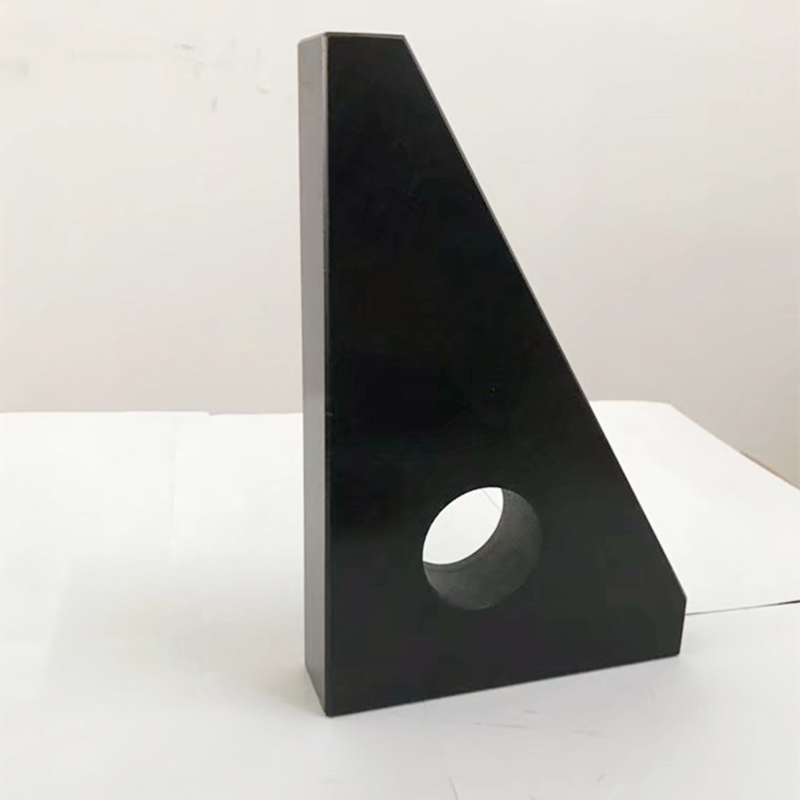
news and information

Versatile L-Shaped Metal Ruler for Precision Measuring and Layout Tasks
The Versatility of the Metal L-Shaped Ruler In the realm of tools and instruments, few items are as
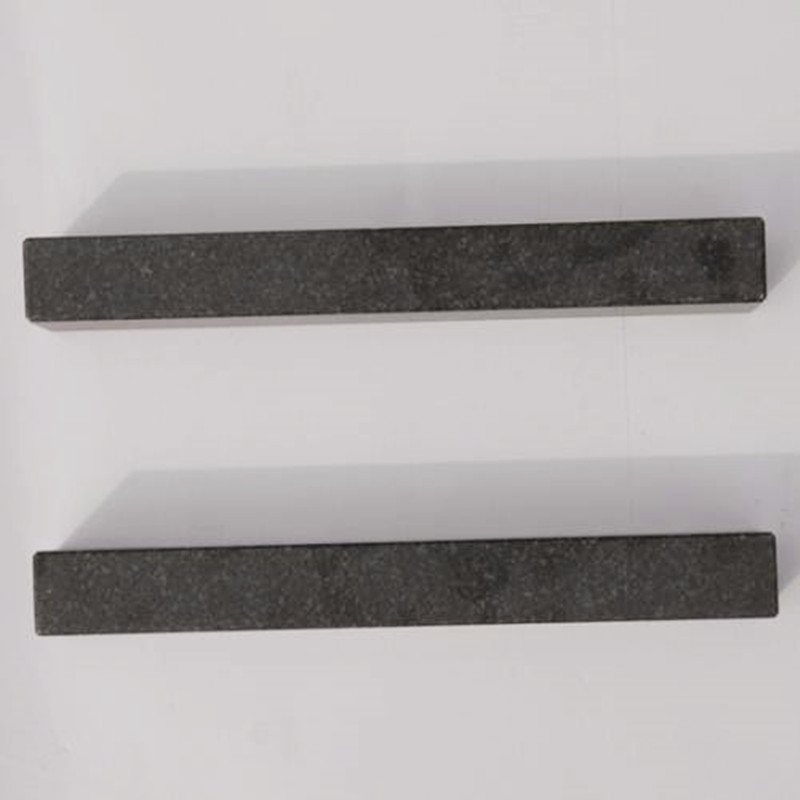
vertical guide rails
Understanding Vertical Guide Rails A Key Component in Industrial Design Vertical guide rails are cru

Using a Horizontal Spirit Level for Accurate Measurements in Construction Projects
Understanding the Horizontal Spirit Level A Guide to Precision and Accuracy In the realms of constru
 English